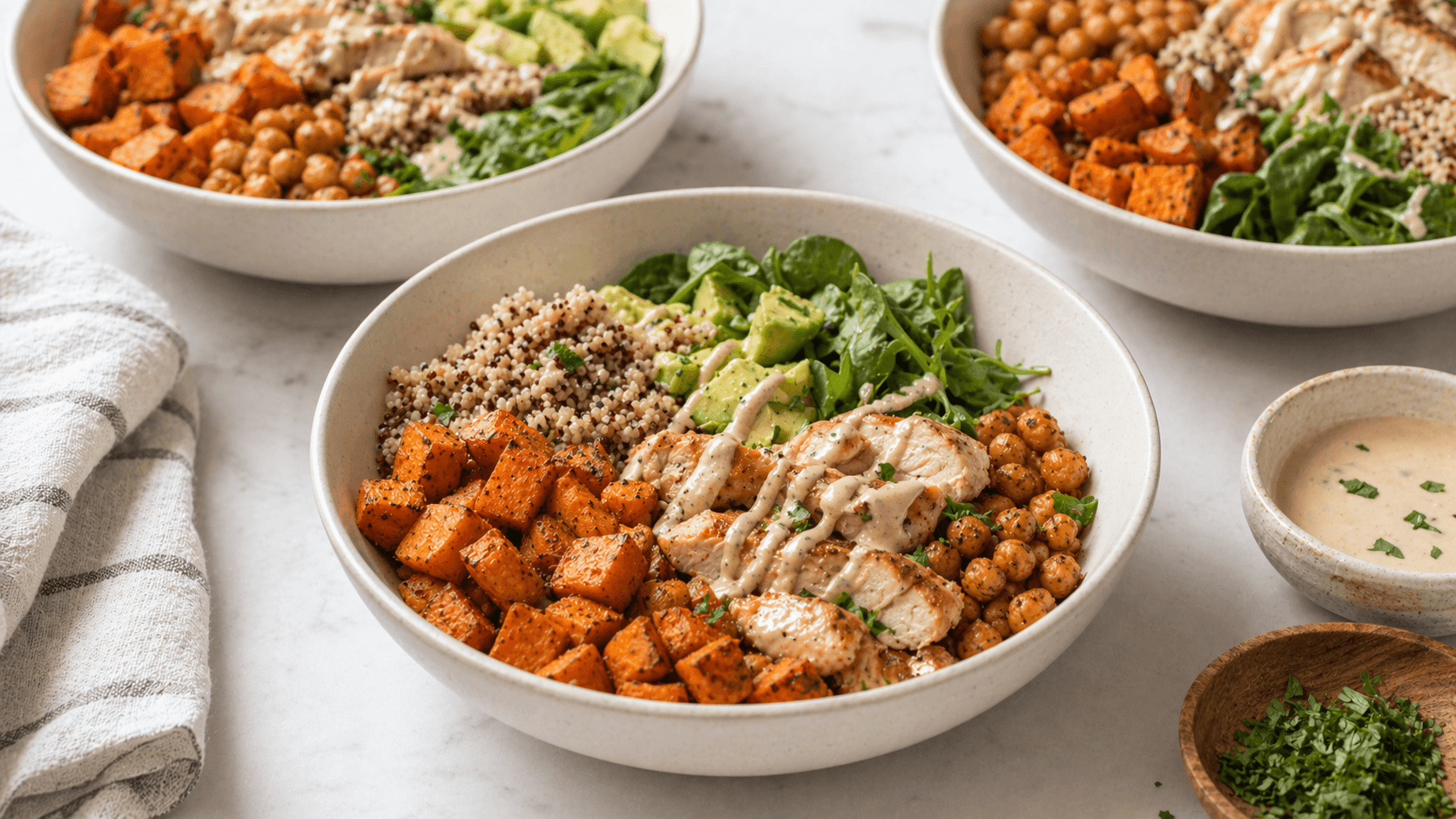
Sweet potato meal prep bowls with roasted sweet potatoes, quinoa, black beans, greens, avocado, and lime for easy 45-minute lunches.
Prep
15 mins
Cook
30 mins
Total
45 mins
Calories
399 kcal
Protein
19 g
Carbohydrates
55.3 g
Serves
4 bowls
Fat
13.4 g
Keep this recipe handy
Tips, variations, storage advice, and quick fixes—all in one place.
Refrigerate assembled bowls (without avocado) up to 4 days; keep sauces and lime in separate cups.
Cool warm components before lidding to avoid excess condensation and soggy textures.
Reheat the quinoa/beans/sweet potatoes until warm, then add spinach, avocado, lime, and cold toppings.
To slow avocado browning: slice just before eating or toss with lime and press plastic wrap directly against the surface in a small airtight cup.
Do not freeze fully assembled bowls with greens or avocado. You can freeze roasted sweet potatoes, quinoa, and beans separately for later use.
Make it higher protein
Add grilled chicken or tofu to each bowl.
Double the beans or sprinkle on hemp seeds for a modest lift without changing the method.
Make it spicy
Top with salsa or chili crisp before serving.
Roast sweet potatoes with a pinch of chili powder or chipotle for heat.
Lighter, extra-veg bowl
Swap part of the quinoa with cauliflower rice or extra spinach.
Add shredded cabbage, tomatoes, or roasted peppers for more volume.
Creamy-tangy finish
Stir Greek yogurt with lime juice, cumin, and a pinch of salt; drizzle at serving for brightness without extra oil.
For best browning, preheat the sheet pan in the oven; add oiled, seasoned potatoes to the hot pan.
If your oven has convection, use it for the last 5 minutes to drive off surface moisture.
Batch once, season twice: lightly season before roasting and finish with a squeeze of lime at serving for cleaner, punchier flavor.
Potatoes aren’t browning: Increase pan space or use two pans, and ensure the oven is fully preheated. A brief convection or broil finish helps.
Bowls taste soggy: Cool warm components longer before sealing, and avoid stacking hot containers.
Greens wilt: Store greens separately or add after reheating the base.
Avocado browns: Slice at serving or store with lime juice in an airtight cup with minimal air exposure.
Beans seem watery: Drain and briefly pat dry before assembly; excess moisture migrates during storage.
How long do sweet potato meal prep bowls last?
Up to 4 days refrigerated in airtight containers. Store avocado and sauces separately so textures stay distinct.
How do I keep meal prep bowls from getting soggy?
Cool roasted potatoes, quinoa, and beans to just warm before sealing. Layer reheatable items on the bottom and keep greens and avocado separate until serving.
Do I eat these bowls hot or cold?
Either works. For the best texture, reheat the quinoa/beans/potatoes first, then add spinach, avocado, lime, and sauce.
Can I freeze these bowls?
Freeze the cooked potatoes, beans, and quinoa separately if needed. Don’t freeze assembled bowls with greens and avocado.
What proteins can I add?
Grilled chicken, baked tofu, tempeh, salmon, edamame, or a hard-boiled egg all fit the method—store with the warm base so they reheat together.
Can I use canned beans?
Yes. Rinse and drain well to remove excess sodium and moisture before assembly.
Some recipes include affiliate links to products we genuinely use and recommend. If you purchase through these links, we may earn a small commission at no extra cost to you, which helps keep our recipes free to access.
See what other cooks think and share your own tips.
Want to leave a review?
Sign in with your account to rate this recipe and share your notes.
Loading reviews…
Optional adjustments
Explore lower-sodium, higher-fiber, or more plant-forward variations.
Use these changes to make the bowls even lighter, higher-fiber, or more vegetable-forward without losing meal-prep convenience.
Choose a change to preview how the bowl improves when it gets lighter, more vegetable-heavy, or a little more protein-rich.
Start with one or two upgrades to preview how the recipe improves.
A plant-forward bowl built for weekday reliability: roasted sweet potatoes for caramelized edges, quinoa and black beans for steady energy and fullness, spinach for fresh volume, and avocado with lime for a creamy-acid finish. Roast hot (425 F), cool the warm components before sealing, and keep avocado or dressing separate. You’ll assemble four bowls in about 45 minutes that still taste bright on day three.
This bowl stays satisfying because each component does a specific job: high-heat roasting drives browning on sweet potatoes, grains and beans supply steady fiber and protein, and acid plus measured fat sharpen flavor without heaviness. The storage plan matters as much as the ingredients—cool before sealing to limit steam, and layer so delicate greens avoid heat and moisture.
Key forces at work:
Dehydration and browning: 425 F roasting concentrates sugars on sweet potato surfaces for caramelized edges.
Moisture management: cooling to “warm” before lidding reduces trapped steam and sogginess.
Layering logic: sturdy, reheatable items on the bottom; delicate greens and fresh toppings on top or separate.
Oxidation control: lime’s acidity slows avocado browning and brightens the whole bowl.
Starch retrogradation: chilling cooked starches (beans, quinoa, potatoes) modestly increases resistant starch, which can help texture and satiety.
Rimmed sheet pan (or two if needed to avoid crowding)
Parchment paper or a silicone baking mat (optional, for easier cleanup)
Small pot with lid for cooking or reheating quinoa
Mixing bowl and spatula/tongs for tossing potatoes with oil and spices
Cutting board and chef’s knife
Meal prep containers (wide, shallow preferred for faster cooling/reheating)
Small lidded sauce cups for lime juice and dressings
Cooling rack (optional, speeds steam release from roasted potatoes)
Ingredient notes
Cooked quinoa and beans make this a flexible base for protein add-ons.
Roast sweet potatoes
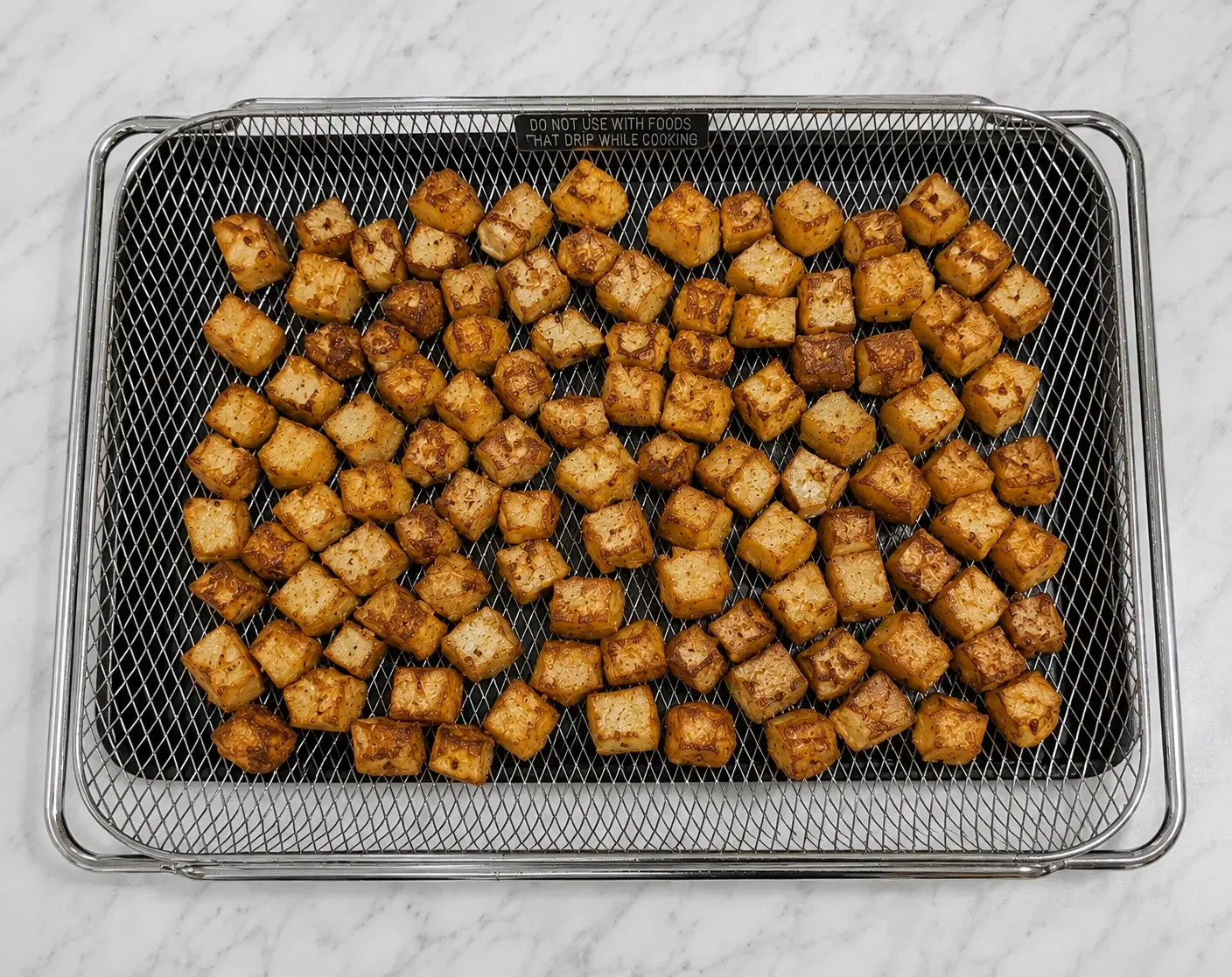
Toss and roast at 425 F for 25 to 30 minutes, flipping halfway.
Prepare grains and beans
Warm quinoa and beans if desired, then cool slightly before assembling.
Build bowls
Divide spinach, quinoa, beans, and sweet potatoes across 4 containers.
Add fresh finish
Add lime juice just before serving and keep avocado separate until eating.
Store
Refrigerate and use within 4 days.
Per-serving details
Nutrition Facts
4 bowls servings per container
Amount per serving
Calories
399
Protein 19 g
Per batch: 75.9 g
Total Fat 13.4 g
Per batch: 53.5 g
17%
Saturated Fat 1 g
Per batch: 4.1 g
5%
Total Carbohydrate 55.3 g
Per batch: 221.4 g
20%
Fiber 20.6 g
Per batch: 82.6 g
74%
Cholesterol 0 mg
Per batch: 0 mg
0%
Sodium 150 mg
Per batch: 600 mg
7%
Vitamin A 680 mcg
Per batch: 2722 mcg
76%
Vitamin C 55 mg
Per batch: 220 mg
61%
Vitamin E 1.1 mg
Per batch: 4.5 mg
7%
Calcium 269 mg
Per batch: 1077 mg
21%
Iron 6.6 mg
Per batch: 26.3 mg
37%
Magnesium 350 mg
Per batch: 1399 mg
83%
Potassium 2325 mg
Per batch: 9301 mg
49%
* The % Daily Value tells you how much a nutrient in a serving of food contributes to a daily diet. 2,000 calories a day is used for general nutrition advice.
Nutrition is an estimate and varies by ingredient brands and exact quantities.
These bowls are high in fiber from sweet potatoes, black beans, quinoa, spinach, and avocado.
For more protein, add chicken, tofu, tempeh, salmon, or a hard-boiled egg.
Nutrition information is automatically calculated, so should only be used as an approximation.
Optional recipe science
Black beans: Protein-and-fiber anchor that increases fullness, stabilizes texture, and adds creamy body when mixed with grains. Rinsing reduces surface sodium and starch; patting dry prevents extra moisture from softening roasted components during storage.
Sweet potatoes: Complex-carb base that browns at high heat as surface sugars concentrate; interior starch gelatinizes for tenderness. Spacing on the sheet pan promotes dehydration and caramelization; chilling later promotes a bit of resistant starch that can subtly change texture and post-meal feel.
Quinoa: Moisture-managing, fluffy grain that distributes seasoning and provides a complete amino acid profile compared with many grains. Rinsing removes saponins (bitterness); packing on the bottom helps it reheat evenly without wilting greens above.
Spinach: High-water, delicate green that delivers volume and micronutrients with minimal energy load. Keep it on top or add after reheating to avoid steam-wilt; vitamin C from lime can enhance non-heme iron absorption when eaten together.
Olive oil: Thin, even coating improves heat transfer for better sweet potato browning and prevents sticking. The monounsaturated fat also improves absorption of fat-soluble carotenoids from sweet potatoes and greens; measured use keeps energy density in check.
Avocado: Creamy, monounsaturated fat source that adds lubrication and mouthfeel so the bowl tastes satisfying without excess dressing. Enzymatic browning is slowed by lime acid; storing separately preserves texture.
Lime juice: Lowers pH to sharpen flavor and reduce the need for more salt; its acidity also slows avocado browning. Brightens starchy components and balances the bowl’s natural sweetness.
Kosher salt: Seasons and lightly draws surface moisture from sweet potatoes at the start of roasting, aiding browning. Use measured amounts and finish with acid to keep sodium moderated without sacrificing flavor.
Ground cumin: Volatile aromatics bloom in the hot oven, adding warmth and slight bitterness that counterbalances sweet potato sugars. Builds depth without adding sodium and pairs cleanly with lime.
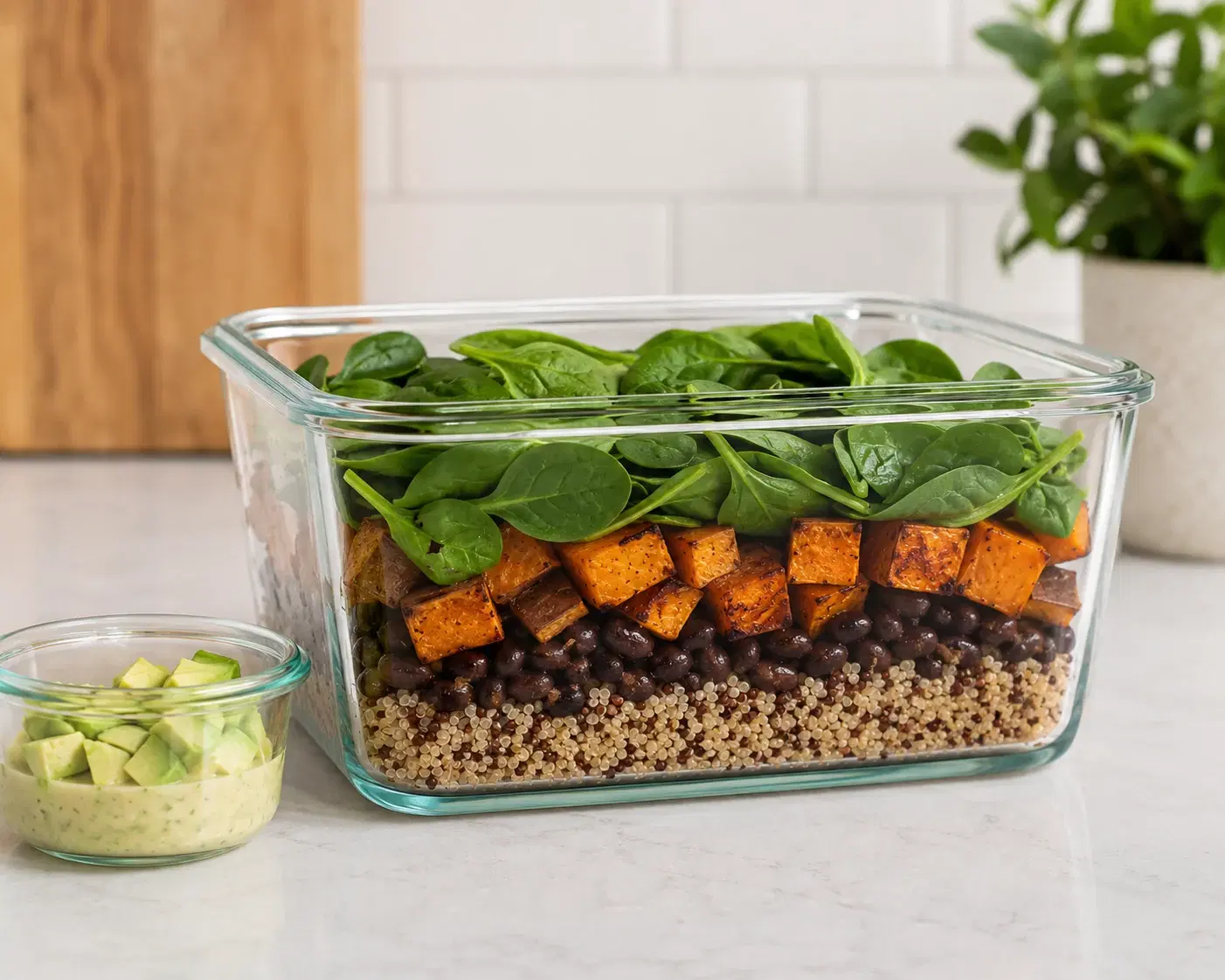
Soggy meal prep usually comes from steam trapped inside the container. Let the roasted sweet potatoes, quinoa, and beans cool until warm rather than hot before sealing. Keep avocado, salsa, creamy sauces, or extra lime dressing in a separate small container. If you want to reheat the bowl, warm the sweet potatoes, quinoa, and beans first, then add spinach, avocado, and fresh toppings after reheating.
Use wide, shallow meal prep containers when possible because the ingredients cool faster and reheat more evenly. Put quinoa and beans on the bottom, add roasted sweet potatoes next, and keep delicate greens or avocado toward the top. If you are packing these for work or school, a separate dressing cup is worth it because lime juice and sauce can soften the greens over time.
High heat, full cool-down, and smart layering deliver bowls that reheat well and still taste fresh. Use acid and herbs for brightness, keep oils and avocado measured, and add another vegetable when you want more volume without heaviness.
Keep building the science thread with ingredient guides, nutrition-focused recipes, and the site scoring notes as they expand.
Sweet Potato Meal Prep Bowls score as a strong everyday lunch because they combine beans, quinoa, greens, avocado, and sweet potatoes into a high-fiber, plant-forward bowl, with longevity held back only slightly by energy density from avocado and grain together.
Based on the recipe as written and estimated nutrition per serving. This score offers comparison context, not individualized health advice.