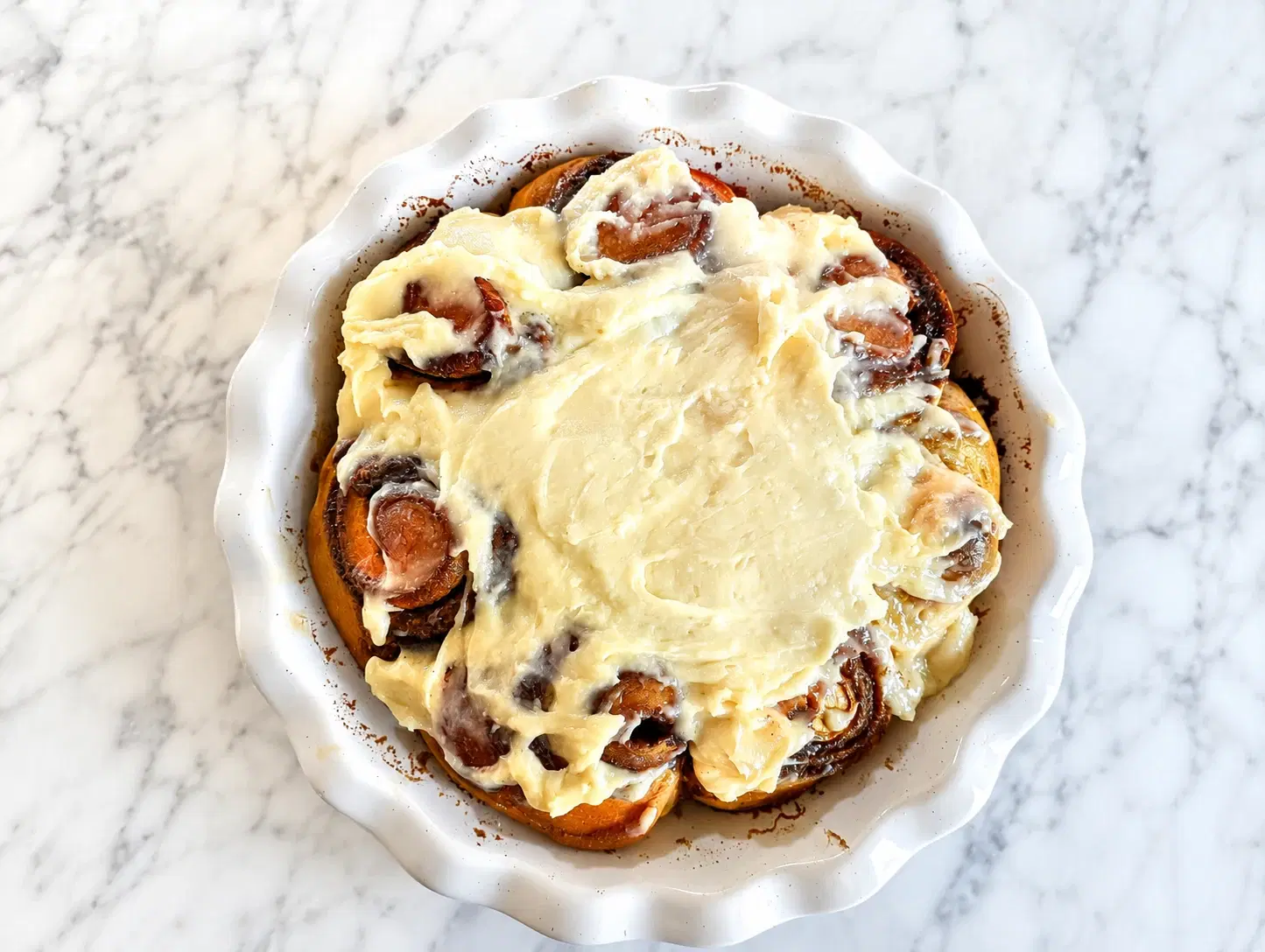
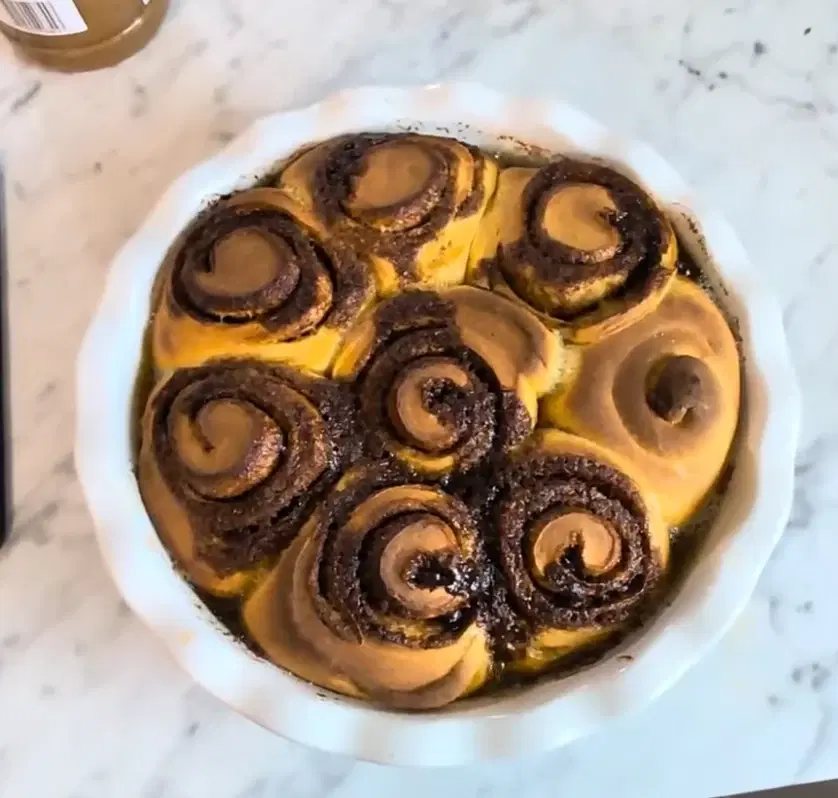
Soft sweet potato sourdough cinnamon rolls with overnight dough, fluffy spirals, cinnamon brown sugar filling, and optional cream cheese frosting.
Prep
35 mins active (+ overnight)
Cook
20-25 mins
Total
14-17 hrs (includes overnight rest)
Calories
448 kcal
Protein
20.2 g
Carbohydrates
67 g
Serves
9-12 rolls
Fat
12.6 g
An overnight, enriched sourdough dough meets mashed sweet potato for soft, high-moisture cinnamon rolls with a naturally tender crumb. Fermentation builds flavor while starches and fats manage gluten for a stretchy, rollable sheet that bakes into fluffy spirals. Proof based on dough behavior, not the clock, and finish with a restrained or optional cream cheese frosting depending on how sweet you want the final result.
Sweet Potato Sourdough Cinnamon Rolls are better treated as an occasional breakfast bake. Sweet potato and sourdough add a few redeeming points, but frosting, butter, and refined flour keep longevity and overall balance low.
Based on the recipe as written and estimated nutrition per serving. This score offers comparison context, not individualized health advice.
Hydration and tenderness: Mashed sweet potato increases water-binding and pectin content, which softens crumb and slows staling. The puree also slightly dilutes gluten, so kneading to a smooth, elastic windowpane matters for structure.
Enrichment vs. fermentation: Butter, sugar, and egg slow fermentation by competing for water and inhibiting yeast activity. Using an active starter and an overnight cold rest lets acids build flavor while time compensates for slower rise.
Proofing signal over schedule: Enriched sourdough proofs variably based on starter vigor and room temperature. Look for rolls that feel aerated and spring back slowly when pressed—visual expansion and softness beat any fixed time.
Filling physics: A soft butter smear plus brown sugar forms a syrup in the oven. Even coverage prevents leak channels; a tight spiral controls pooling and keeps layers distinct.
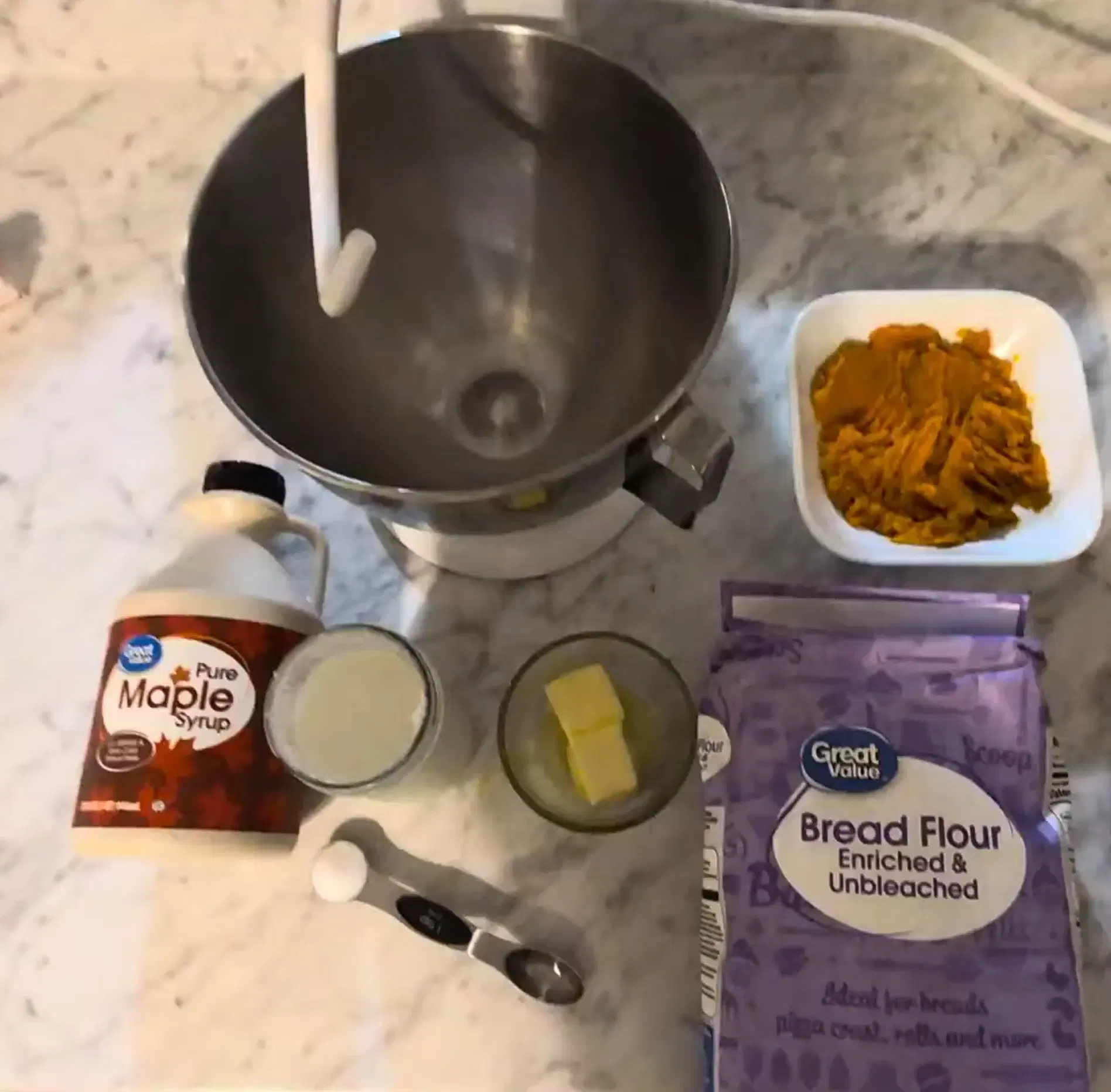
Ingredients
Kitchen scale
Large mixing bowl or stand mixer bowl
Stand mixer with dough hook (optional)
Rolling pin
Bench scraper or sharp knife
Unwaxed dental floss or serrated knife (for clean slices)
9 x 13 inch baking dish
Plastic wrap or lid
Pastry brush (optional, for pan buttering or post‑bake glaze)
Ingredient notes
Bread flour gives the dough structure while still keeping the rolls soft.
Milk gives a classic flavor profile, kefir adds mild tang, and buttermilk gives a stronger sour note.
Brown sugar in the filling creates a softer, gooier spiral than white sugar.
Cream cheese frosting is optional, but the tang balances the sweet potato and cinnamon filling.
Mix dough and rest (night before)
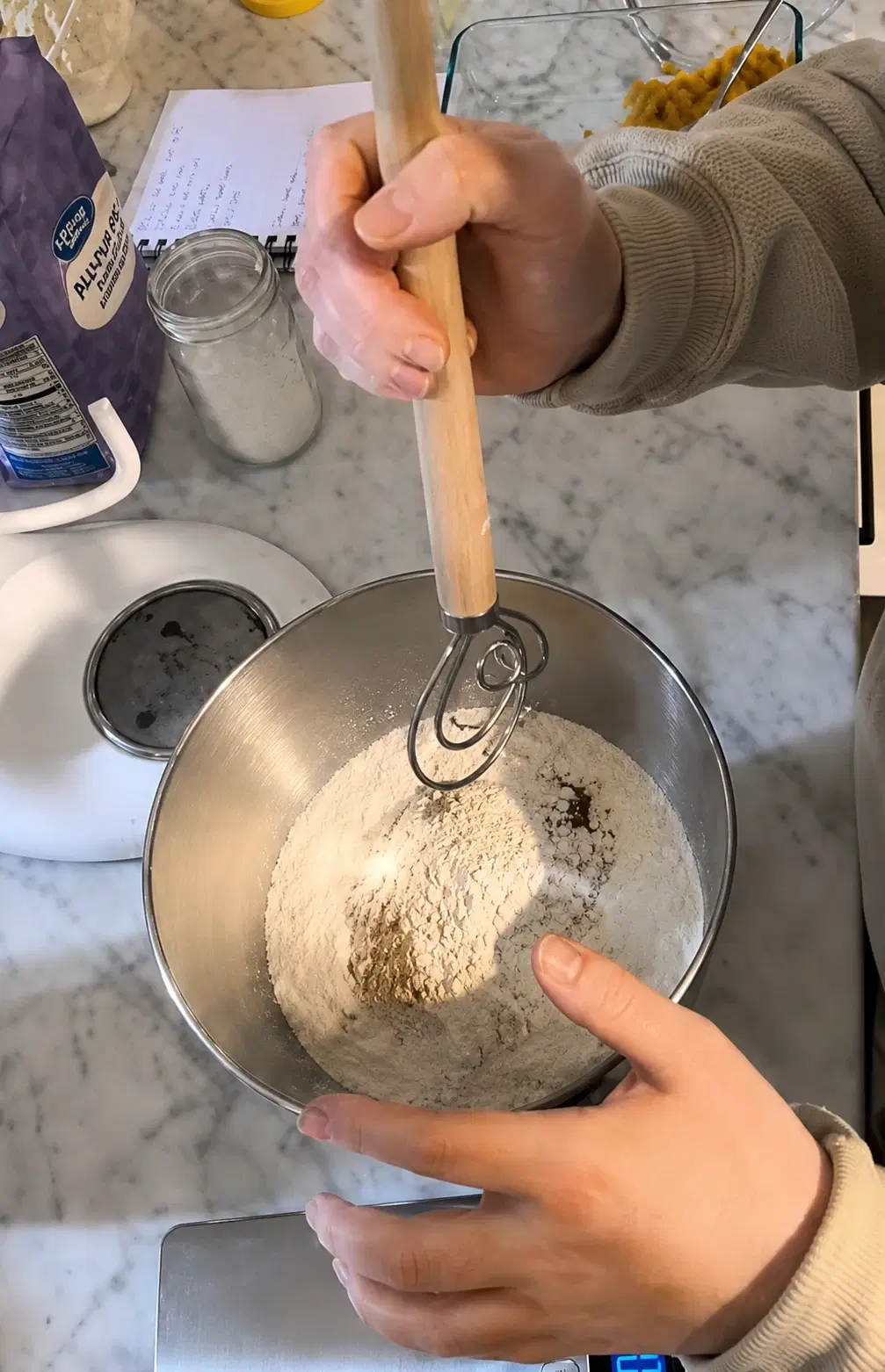
Mix until combined. Rest 30 minutes to hydrate flour.
Add enrichments and knead
Knead until smooth and elastic. Stand mixer guide: 2 minutes low, then 6 to 8 minutes medium.
Bulk ferment and cold rest
Rest at room temp 1 hour, do 1 stretch and fold (optional), then cover and refrigerate overnight.
Shape rolls (next morning)
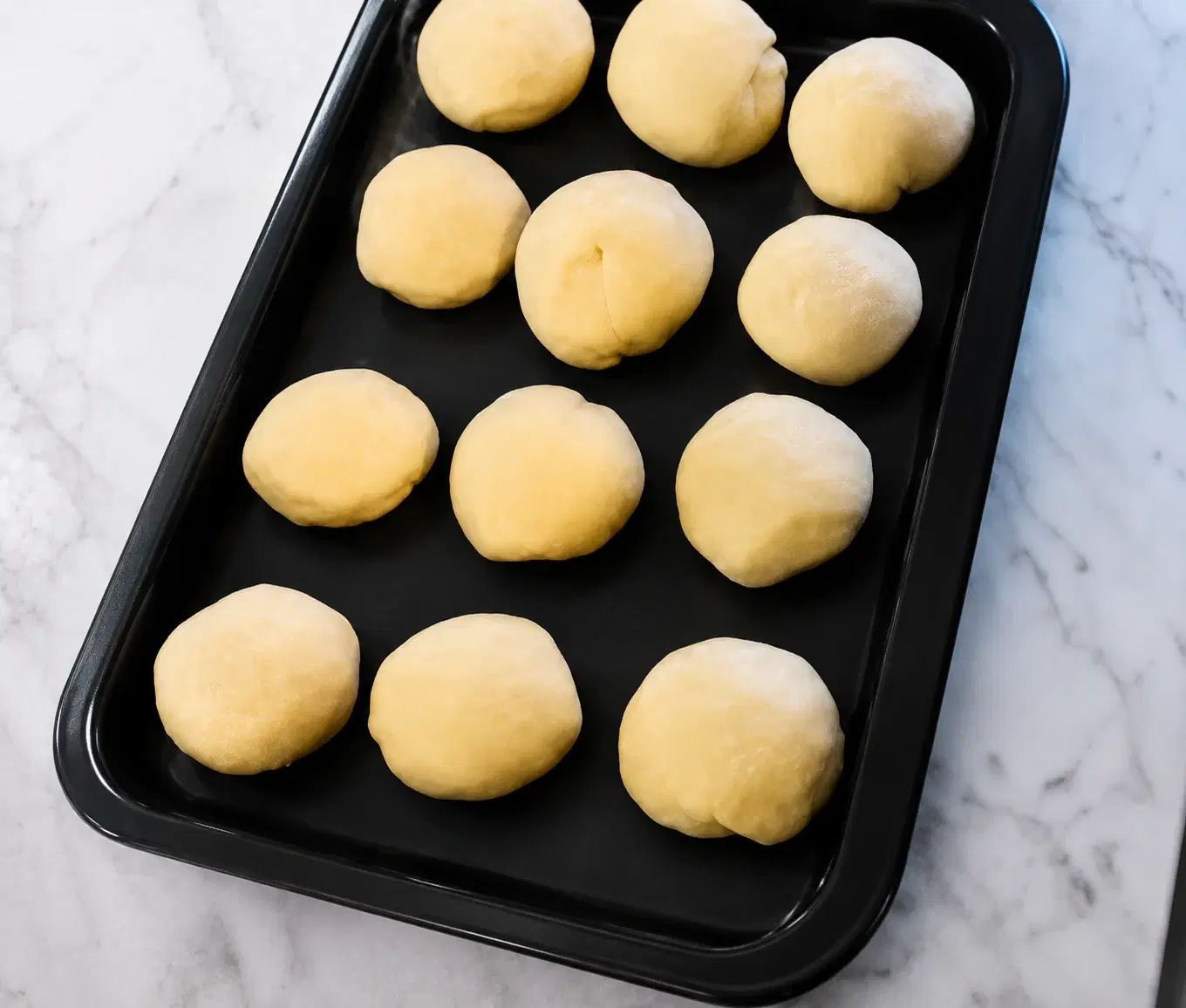
Let dough sit 45 to 60 minutes at room temp. Roll to a 12 x 16 inch rectangle, spread butter, top with cinnamon-sugar mixture, roll tightly, and slice into 9 to 12 rolls.
Final proof
Place in buttered dish and proof until noticeably puffy, about 3 to 4 hours at room temp or about 2 hours in a 75 to 80 F proof setting.
Bake
Bake at 375 F for 20 to 25 minutes until lightly golden. Cool slightly before frosting.
Optional cream cheese frosting
Beat until smooth and spread over warm rolls.
The overnight refrigerator rest develops flavor and makes morning shaping much easier.
Per-serving details
Nutrition Facts
9-12 rolls servings per container
Amount per serving
Calories
448
Protein 20.2 g
Per batch: 181.7 g
Total Fat 12.6 g
Per batch: 113 g
16%
Saturated Fat 1.9 g
Per batch: 16.8 g
10%
Total Carbohydrate 67 g
Per batch: 603.3 g
24%
Fiber 7.1 g
Per batch: 64.2 g
25%
Cholesterol 102 mg
Per batch: 918 mg
34%
Sodium 3090 mg
Per batch: 27812 mg
134%
Vitamin A 151 mcg
Per batch: 1362 mcg
17%
Vitamin C 1 mg
Per batch: 12 mg
1%
Vitamin E 3 mg
Per batch: 27.2 mg
20%
Calcium 145 mg
Per batch: 1307 mg
11%
Iron 4.8 mg
Per batch: 43.2 mg
27%
Magnesium 78 mg
Per batch: 700 mg
19%
Potassium 443 mg
Per batch: 3984 mg
9%
* The % Daily Value tells you how much a nutrient in a serving of food contributes to a daily diet. 2,000 calories a day is used for general nutrition advice.
Nutrition is an estimate and varies by roll size and whether frosting is added.
For a lighter serving, slice the batch into 12 rolls instead of 9.
Using kefir or buttermilk changes flavor more than the overall nutrition profile.
Nutrition information is automatically calculated, so should only be used as an approximation.
Optional recipe science
Bread flour: High protein builds strong gluten for stretchable sheets and tall spirals; supports gas retention during a slow, enriched proof.
Mashed sweet potato: Pectin and gelatinized starch bind water for a soft crumb and slower staling; natural sugars and pigments add mild sweetness and color while slightly diluting gluten for tenderness.
Active sourdough starter: Wild yeast and acids drive leavening and flavor; acids tighten gluten slightly, improving dough handling after a cold rest.
Milk (or kefir/buttermilk): Hydrates proteins and starch; lactose adds gentle browning. Fermented dairy options contribute tang and acidity, subtly strengthening gluten and deepening flavor.
Egg: Lecithin and proteins emulsify fats and liquids, boosting dough elasticity and richness; coagulates in the bake to help set structure.
Sugar (dough): Competes for water and slows fermentation; sweetens and aids browning via Maillard and caramelization.
Salt (dough): Strengthens gluten, moderates fermentation rate, and sharpens overall flavor.
Butter (dough): Fat coats proteins to limit over‑tight gluten, yielding a finer, softer crumb; adds richness and aroma.
Butter (filling): Forms a lipid layer that melts with sugar into a syrup, lubricating layers for distinct spirals.
Brown sugar (filling): Molasses content increases hygroscopy for a gooey layer and deeper caramel notes.
Cinnamon: Aromatic spice drives the signature flavor; fine particles disperse in sugar for even seasoning.
Pinch of salt (filling): Balances sweetness and lifts spice notes.
Cream cheese (frosting, optional): Acidic, tangy fat adds flavor contrast and creamy mouthfeel.
Powdered sugar (frosting, optional): Dissolves quickly for a smooth glaze; primary sweetness source in the topping.
Vanilla (frosting, optional): Volatile aromatics round out dairy notes and complement cinnamon.
Splash of milk or cream (frosting, optional): Controls viscosity for spreadability without greasiness.
Optional adjustments
Explore lower-sodium, higher-fiber, or more plant-forward variations.
Use these changes to make the rolls a little less dessert-like and easier to fit into breakfast.
Choose a change to preview how the rolls improve when the frosting is lighter, the flour is less refined, or the meal includes more protein.
Start with one or two upgrades to preview how the recipe improves.
Keep this recipe handy
Tips, variations, storage advice, and quick fixes—all in one place.
Room temperature: Unfrosted rolls keep covered for 1–2 days; the crumb stays softer because of sweet potato.
Refrigerator: Frosted rolls keep covered up to 4 days; bring to room temperature or warm gently before serving.
Freezer: Freeze baked, unfrosted rolls up to 2 months. Thaw overnight in the refrigerator, then warm at 300 F for 8–12 minutes before frosting.
Reheating: Warm individual rolls 10–20 seconds in the microwave or 300 F oven for 6–8 minutes to restore softness without drying.
Milk vs. kefir vs. buttermilk
Milk: Classic, neutral flavor; soft crumb with mild dairy sweetness.
Kefir: Light tang and extra aromatic complexity from fermentation.
Buttermilk: Most pronounced sour edge; slight tightening of gluten for a fine, tender crumb.
Lighter finish
Skip frosting and brush warm rolls with a small amount of melted butter for a bakery‑style sheen.
Use half the frosting or thin it with milk for a light glaze; offer extra on the side.
Nutty spiral
Add chopped pecans or walnuts to the filling for texture and a touch more satiety.
I mix to medium gluten development before adding butter; the dough tightens again after butter is fully incorporated.
If proofing is sluggish, I move the pan to a 75–80 F spot with humidity (a closed oven with a mug of hot water) and watch the dough, not the clock.
For the cleanest layers, I chill the filled log briefly and use dental floss to cut rather than a knife.
Dense rolls: Usually underproofing or a weak starter. Next time, verify starter peak and proof until slow‑springing and puffy.
Tearing while rolling: The dough is too tight; rest 10–15 minutes to relax gluten, then continue.
Leaky filling: Butter was melted or the spiral too loose. Use spreadable butter, roll tightly, and leave a clean sealing edge.
Over‑browning tops: Tent with foil for the final 8–10 minutes; check internal structure at the center spiral.
Frosting melted away: The rolls were too hot. Cool 10–15 minutes before spreading for a visible layer.
Why use sweet potato in the dough?
Its starches and pectin bind water, softening the crumb and slowing staling. It also contributes natural sweetness and color without making the dough wet if the puree is fully cooled and thick.
How do I know the final proof is done?
The rolls should look expanded and feel aerated. A gentle press springs back slowly, leaving a slight impression. If they rebound fast and feel tight, proof longer.
Can I swap in some whole‑wheat flour?
Yes—replace up to 20% of the bread flour with fine whole wheat. Expect a slightly heartier flavor and plan on a longer final proof to reach the same lightness.
Do I need the cream cheese frosting?
No. The rolls are flavorful without it. Use a thinner glaze or serve frosting on the side if you prefer a lighter finish.
What if my kitchen is cold?
Warm the dough slightly after the cold rest, and proof the shaped rolls in a 75–80 F environment. Time will stretch, so use visual and poke‑test cues to decide when to bake.
How does this recipe fit a balanced breakfast?
Per the score‑card context, this bake leans treat‑like due to sugar and enriched dairy. Keep portions modest, use a lighter frosting touch, and pair one roll with eggs or Greek yogurt for a steadier meal.
Some recipes include affiliate links to products we genuinely use and recommend. If you purchase through these links, we may earn a small commission at no extra cost to you, which helps keep our recipes free to access.
See what other cooks think and share your own tips.
Want to leave a review?
Sign in with your account to rate this recipe and share your notes.
Loading reviews…