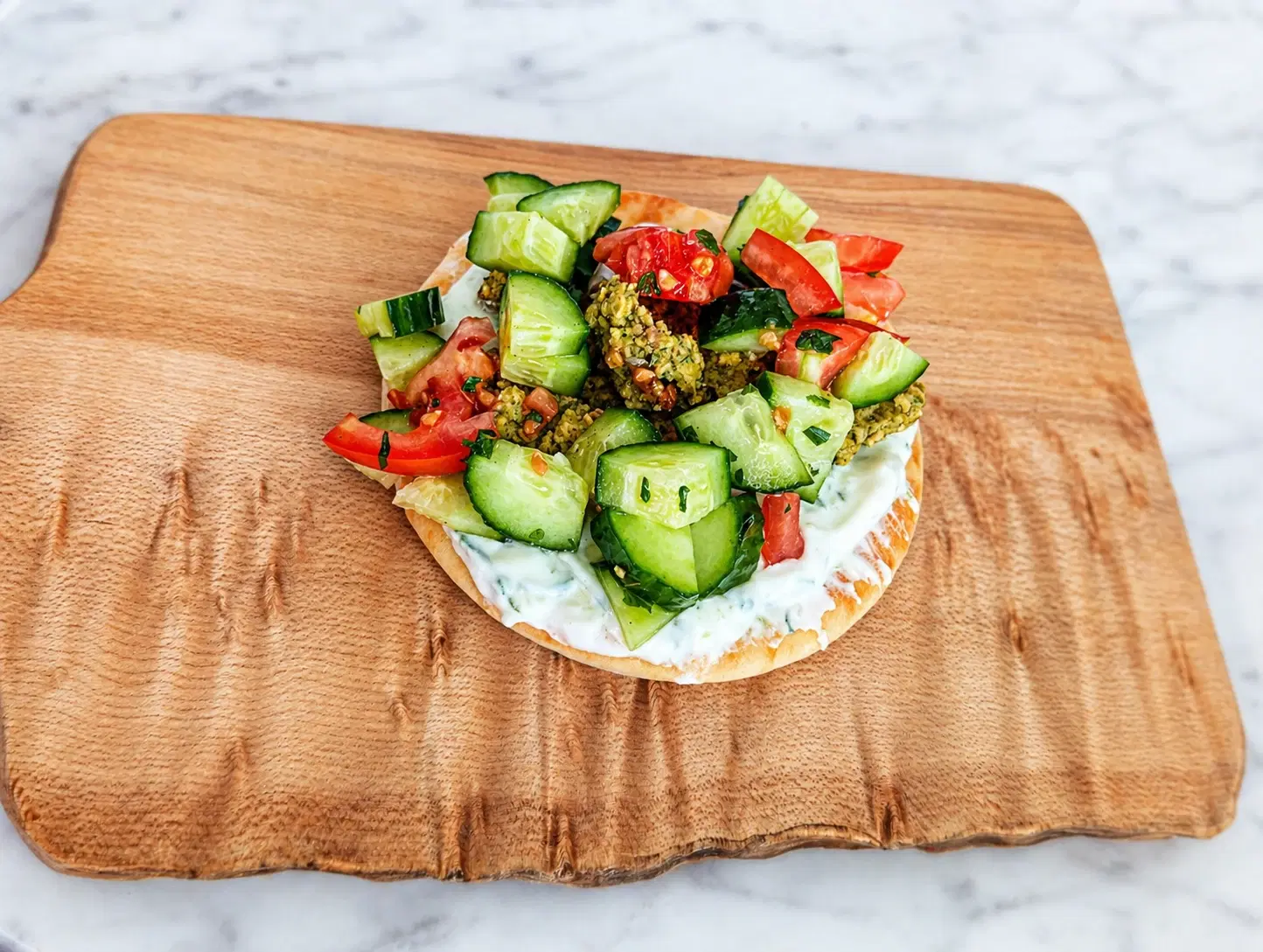
Baked falafel dinner pitas built around chickpeas, oats, herbs, cucumber, tomatoes, and Greek yogurt tzatziki for a high-fiber Mediterranean-inspired meal.
Prep
25 mins
Cook
25 mins
Total
50 mins
Calories
460 kcal
Protein
21.4 g
Carbohydrates
82.6 g
Serves
4 servings
Fat
5 g
These baked falafel pitas build a Mediterranean-inspired dinner from chickpeas, oats, herbs, cucumber–tomato, and Greek yogurt tzatziki. Baking creates firm patties without frying oil; oats bind moisture so the mixture holds in a warm pita. From a scoring lens, legumes, herbs, and vegetables are the strengths; the main variables are pita type (white vs whole-grain), sodium (pita, seasoning, baking powder), and portion size.
Food processor
Sheet pan
Parchment paper
Mixing bowl
Knife
Cutting board
Box grater (for cucumber)
Microplane or fine grater (for garlic)
Citrus juicer (optional)
Ingredient notes
Use whole-grain pita if you want more fiber.
Squeeze the grated cucumber before mixing the tzatziki so the sauce stays thick.
Make the falafel mixture
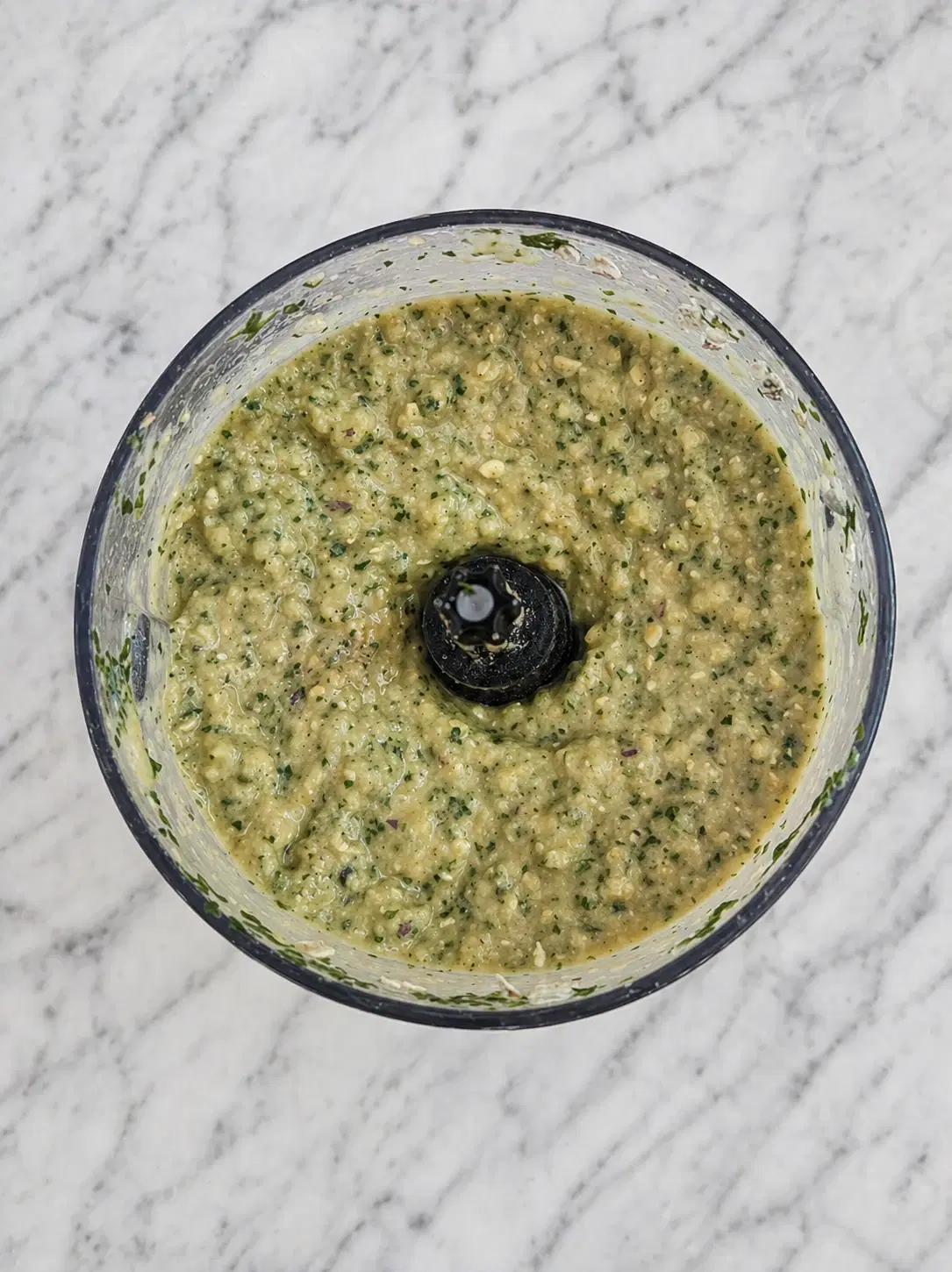
Heat the oven to 400°F. Pulse the chickpeas, onion, 3 garlic cloves, 1/2 cups parsley, cumin, baking powder, oats, salt, and pepper in a food processor until finely chopped. The mixture may feel soft at first; that is normal. It just needs to hold together when pressed.
Shape and bake
Let the mixture rest for 5 minutes, then shape it into small patties with slightly damp hands. Flatten each one a little so it can crisp better in the oven. Place on a parchment-lined sheet pan and bake for 20 to 25 minutes, flipping halfway, until firm and lightly browned.
Make the tzatziki sauce
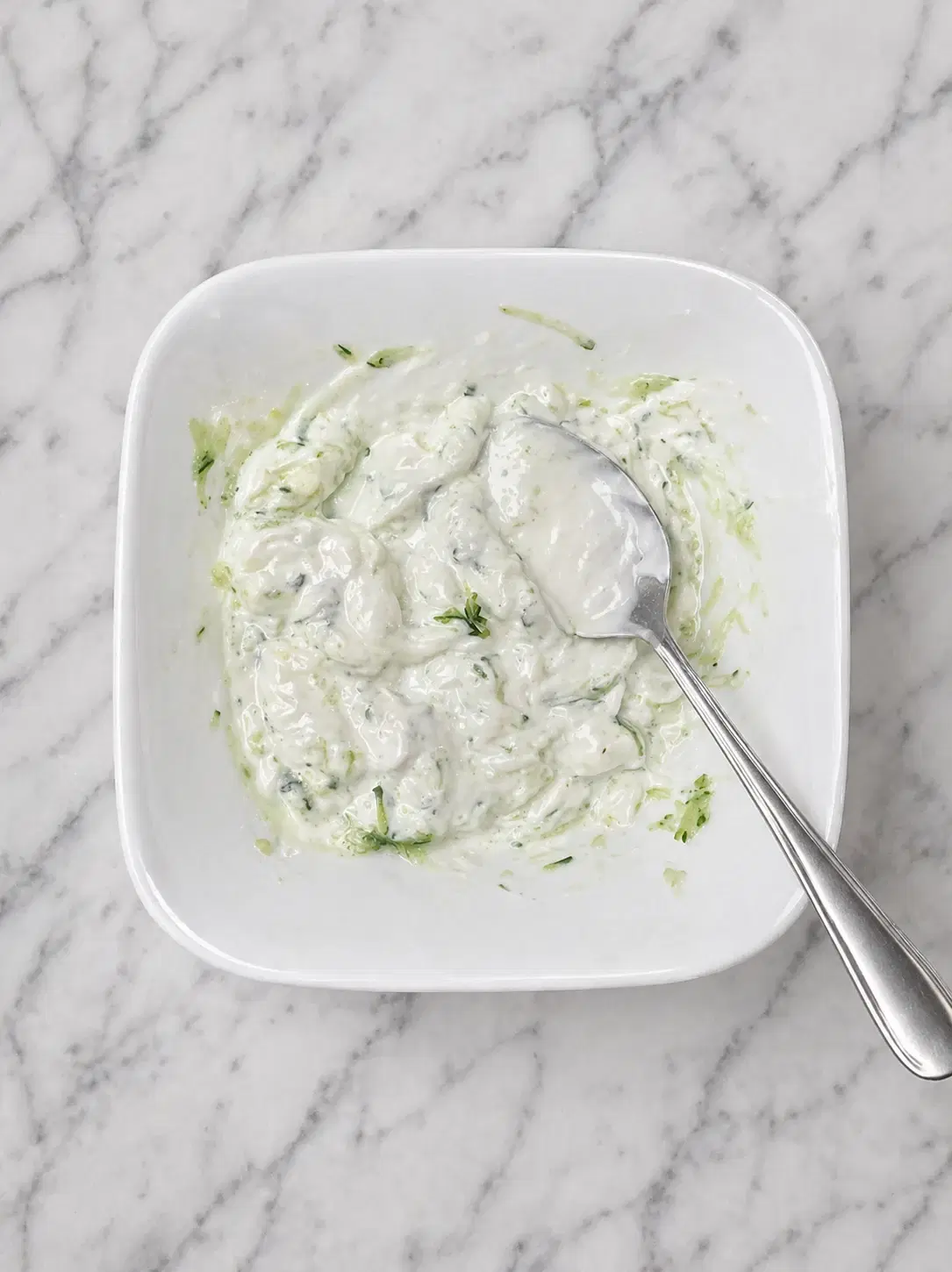
Stir the Greek yogurt, grated cucumber, 1 tablespoon lemon juice, dill, grated garlic, salt, and pepper together until creamy. Chill until ready to serve, or swap in store-bought tzatziki on a busy night.
Make the cucumber tomato topping
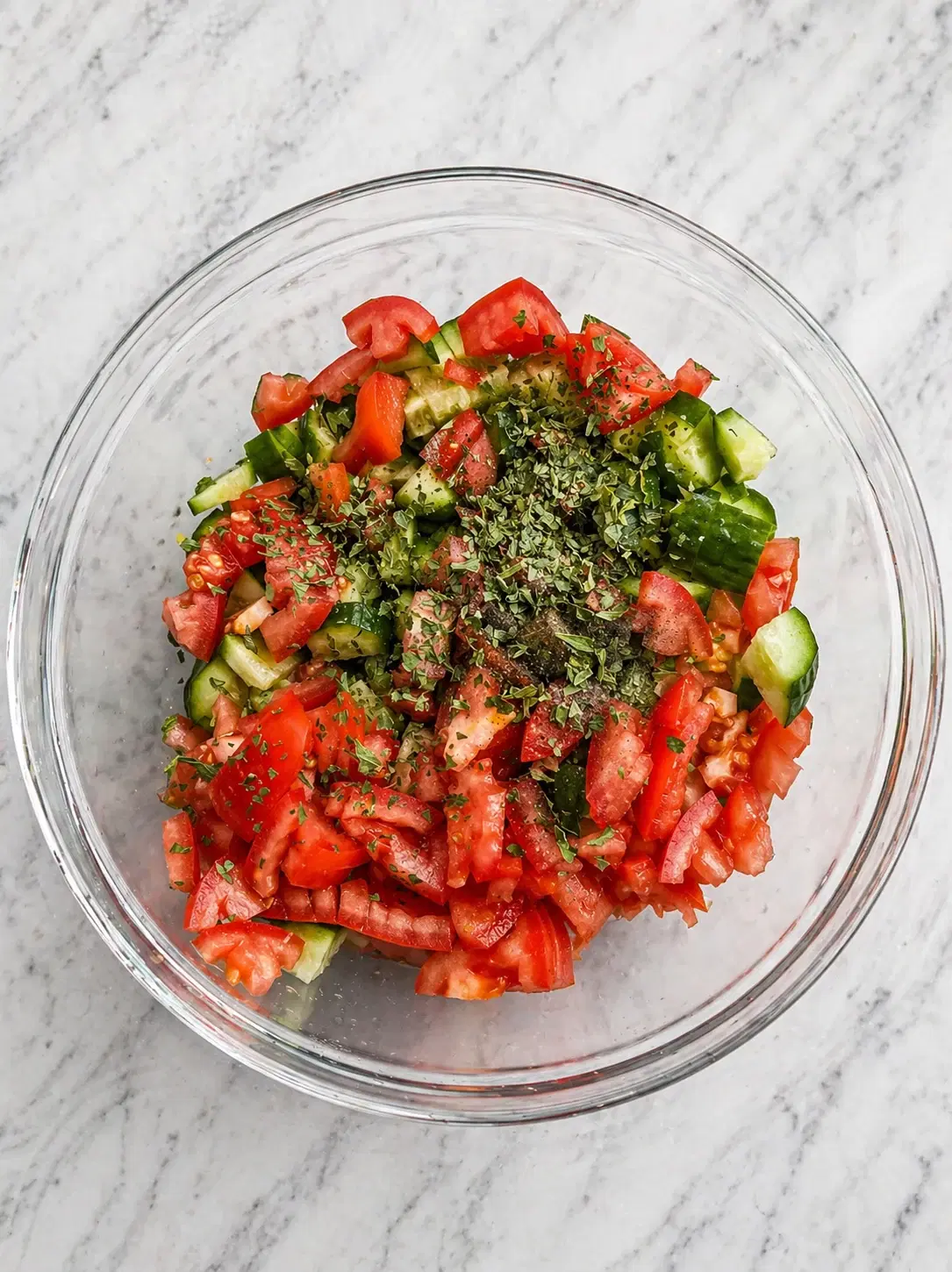
Stir the cucumbers, tomatoes, remaining parsley, remaining lemon juice, salt, and pepper together in a bowl. Keep this separate until serving so everyone can add as much or as little as they like.
Build the pitas
Warm the pita bread, spread with tzatziki sauce, then fill with baked falafel and the cucumber tomato topping. For kids, set the components out separately and let them build their own plate or pita.
Per-serving details
Nutrition Facts
4 servings per container
Amount per serving
Calories
460
Protein 21.4 g
Per batch: 85.5 g
Total Fat 5 g
Per batch: 20.1 g
6%
Saturated Fat 0.6 g
Per batch: 2.2 g
3%
Total Carbohydrate 82.6 g
Per batch: 330.6 g
30%
Fiber 12.8 g
Per batch: 51.1 g
46%
Total Sugars 2.8 g
Per batch: 11.3 g
Cholesterol 2 mg
Per batch: 7 mg
1%
Sodium 434 mg
Per batch: 1738 mg
19%
Vitamin A 78 mcg
Per batch: 314 mcg
9%
Vitamin C 40 mg
Per batch: 161 mg
44%
Vitamin E 0.7 mg
Per batch: 3 mg
5%
Calcium 223 mg
Per batch: 894 mg
17%
Iron 7.1 mg
Per batch: 28.2 mg
39%
Magnesium 112 mg
Per batch: 448 mg
27%
Potassium 938 mg
Per batch: 3751 mg
20%
* The % Daily Value tells you how much a nutrient in a serving of food contributes to a daily diet. 2,000 calories a day is used for general nutrition advice.
Nutrition was regenerated after the ingredient update and excludes salt and pepper added to taste.
Nutrition information is automatically calculated, so should only be used as an approximation.
Optional recipe science
Chickpeas: Primary structure and protein; their starch and fiber form the base of the patty and brown where surfaces dry in the oven.
Rolled oats: Hydrate and gel slightly to bind the chickpea mixture; add beta-glucan fiber and act like whole-grain breadcrumbs.
Red onion: Adds moisture, natural sugars, and sulfur aromatics that soften beany notes and support surface browning.
Garlic: High-impact aroma and a little sulfur heat; best when pulsed (not pureed) so flavor disperses without turning bitter.
Fresh parsley: Bright herbal oils and chlorophyll for fresh flavor; adds plant variety with minimal calories or sodium.
Ground cumin: Fat-soluble aromatics (cuminaldehyde) deliver warm, savory depth that complements legumes.
Baking powder: Gentle lift from CO₂ for lighter texture in baked patties; small contributor to sodium if using conventional formulas.
Lemon juice: Acid balances starch-heavy falafel and fresh vegetables; sharpens perceived saltiness so you can season more precisely.
Plain Greek yogurt: Thick, high-protein base for tzatziki; lactic acidity adds tang and creaminess without excess fat.
Grated cucumber: Hydrating crunch for tzatziki; squeezing reduces free water so the sauce stays thick and pita-friendly.
Fresh dill: Terpenes deliver a clean, grassy note that amplifies the yogurt’s freshness.
Roma tomatoes: Juicy acidity, glutamates, and pectin for bite; add at serving to avoid soggy bread.
Mini cucumbers: Crisp, low-starch volume that lightens each bite and boosts produce variety.
Pita bread: Carbohydrate carrier; fiber and sodium vary widely—whole-grain improves fiber, some brands reduce sodium.
Salt: Controls perception of sweetness and bitterness; a little draws moisture from vegetables and tightens seasoning.
Black pepper: Piperine-driven spice that adds a dry, warming finish and supports savory depth.
Falafel structure is a moisture-management problem. Chickpea starch and protein form the matrix; oats act as a hydrating binder that traps water so patties hold together. Baking trades deep-fry oil transfer for oven-driven dehydration and Maillard browning on exposed surfaces, so patty size, thickness, and surface area become the key levers for crispness.
Pulse, don’t puree: keeping a coarse crumb leaves micro-edges that brown and improves bite.
A short rest lets oats hydrate and the mix stiffen.
Flattening increases surface area so more moisture can escape, concentrating flavor and helping crispness.
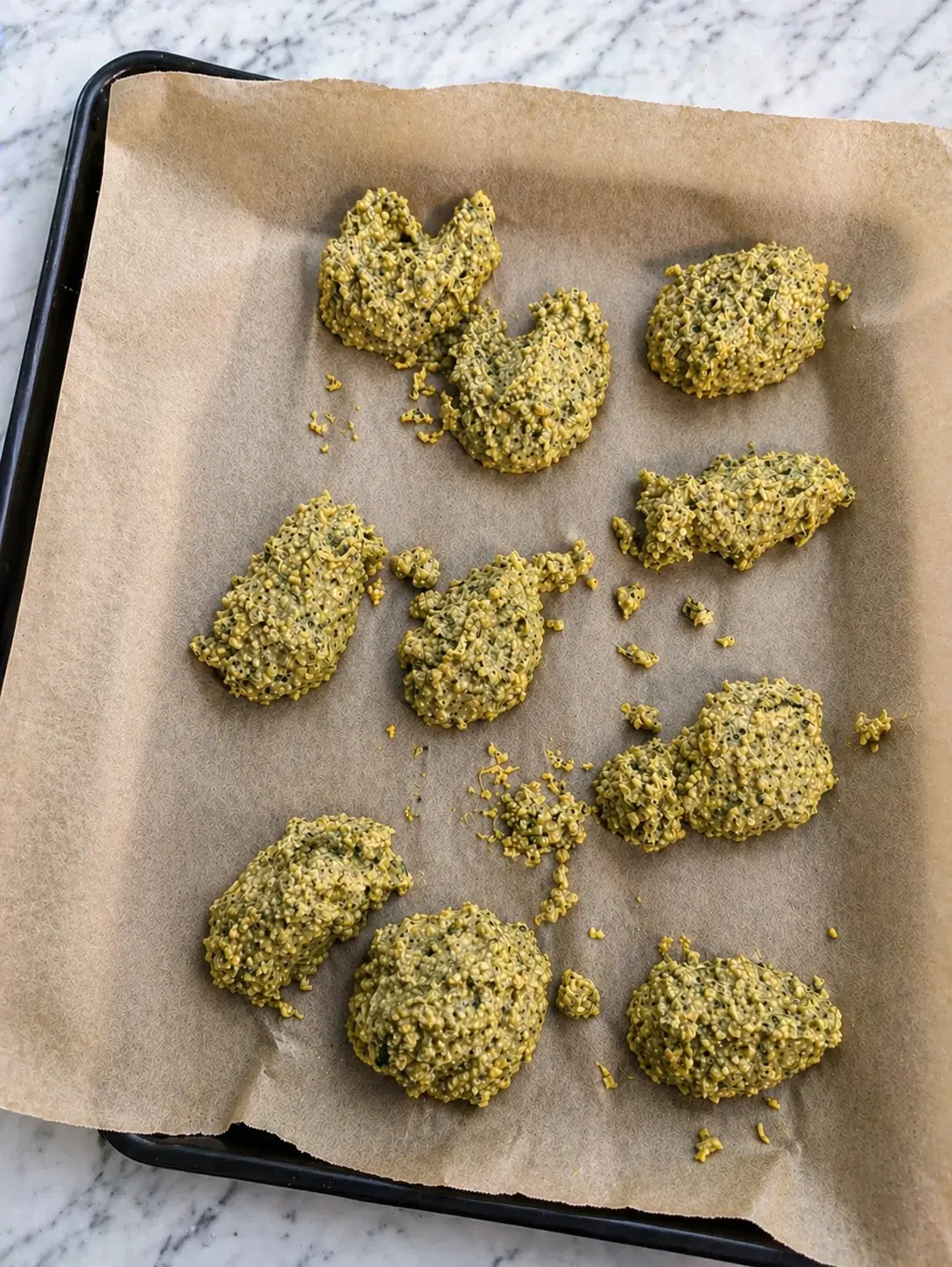
Flipping halfway evens dehydration. In tzatziki, pre-salting then squeezing cucumber reduces free water so the casein-thickened yogurt stays spoonable.
The recipe scores well because chickpeas and oats bring fiber and plant protein, while cucumbers, tomatoes, parsley, lemon, and dill increase plant variety. Baking the falafel avoids the added oil load of deep frying, but the final energy-support pattern still depends on pita size and whether you choose white or whole-grain pita.
Chickpeas are the main metabolic advantage here because they combine starch with fiber and plant protein. Oats add binding structure while nudging the meal toward a steadier carbohydrate profile. For the strongest version, use whole-grain pita and keep the tzatziki generous enough to add protein without turning the pita into mostly bread.
Choose whole-grain pita to raise fiber and lower glycemic impact; some brands also reduce sodium. - Keep patties small and 1 to 1.5 cm thick for better oven browning; a light brush or spray of oil on the tops improves Maillard reactions without deep-frying. - For protein balance, don’t skimp on tzatziki or serve extra yogurt on the side. - Salt strategically: season falafel mixture lightly, then finish with lemon and herbs to reduce the need for more salt.
Bind with oats, manage water, and maximize surface area. Those three moves deliver crisp baked falafel that eats like a weeknight-friendly, high-fiber handheld.
Keep this recipe handy
Tips, variations, storage advice, and quick fixes—all in one place.
Refrigerate baked falafel in an airtight container for up to 4 days.
Store tzatziki and the cucumber–tomato topping separately for best texture; tzatziki keeps 3 to 4 days.
Rewarm falafel on a hot sheet pan at 400°F (or in an air fryer at 375°F) until heated through and re-crisped, 5 to 8 minutes.
Freeze baked falafel on a tray, then bag for up to 2 months; reheat from frozen at 400°F until hot and crisp.
Meal-prep version
Bake the falafel ahead and store the chopped vegetables, tzatziki, and pita separately.
Bowl version
Serve the falafel over greens or rice with the cucumber–tomato mixture and tzatziki on top.
Air-fryer version
Air-fry small, flattened patties at 375–390°F until browned and firm, 10 to 12 minutes, flipping once.
Spice route
Add 1/2 teaspoons ground coriander and a pinch of smoked paprika for earthier depth.
Extra-greens falafel
Blend in a small handful of spinach with the parsley for added color and plant variety (keep patties small to maintain structure).
Keep the processor mix coarse—visible chickpea and oat bits improve texture and browning.
Press patties firmly so they hold shape, then flatten to maximize contact with hot air and pan.
If the mix feels tacky, dampen hands lightly with water to shape cleanly.
Pre-salt grated cucumber for tzatziki, wait 5 minutes, then squeeze; you’ll remove more water with less force.
Finish the built pita with lemon to sharpen flavor without more salt.
Mixture too wet to shape: Add 1 to 2 tablespoons more oats, pulse briefly, and rest 5 minutes to hydrate.
Patties crack: Press more firmly and keep patties small and flat; rest the mix longer so oats bind.
Pale, not browned: Use a preheated pan, switch to convection if available, and lightly brush or spray with oil.
Dry texture: Reduce bake time slightly and avoid over-processing; very fine purees tend to bake up drier.
Soggy pitas: Spread tzatziki first as a moisture barrier; add the cucumber–tomato topping right before serving.
Watery tzatziki: Salt and squeeze cucumber harder, or stir in an extra spoon of yogurt to tighten.
Too salty overall: Use whole-grain lower-sodium pita, season falafel mixture modestly, then finish with lemon and herbs.
Some recipes include affiliate links to products we genuinely use and recommend. If you purchase through these links, we may earn a small commission at no extra cost to you, which helps keep our recipes free to access.
See what other cooks think and share your own tips.
Want to leave a review?
Sign in with your account to rate this recipe and share your notes.
Loading reviews…
Good overall fit, with balanced strongest and metabolic the main limiting area.
Based on the recipe as written and estimated nutrition per serving. This score offers comparison context, not individualized health advice.
Optional adjustments
Explore lower-sodium, higher-fiber, or more plant-forward variations.
Toggle possible adjustments and preview how they shift the recipe's meal balance.
This is the kind of feedback users would see after making a few improvements.
Start with one or two upgrades to preview how the recipe improves.